hero_image

Blogs

Discover blogs and industry insights on Kwala.network, a decentralised automation network designed to automate and scale blockchain workflows, enabling backend-less, programmable dApps across the web3 ecosystem.

Latest Blog

web3 automation

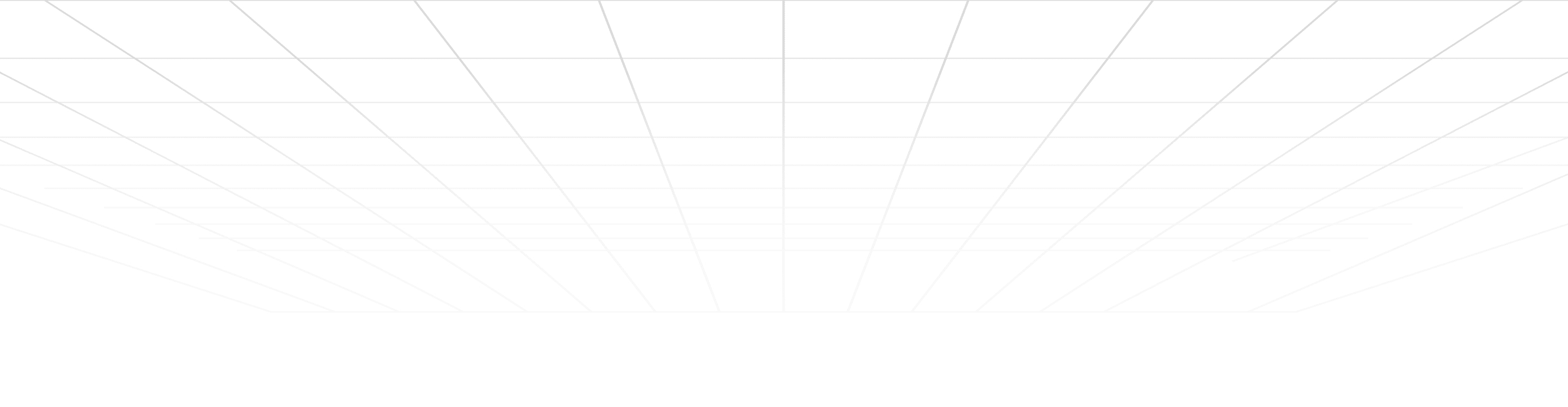
Building a dApp used to mean managing servers, writing custom event listeners, and stitching together off-chain cron jobs. Most teams spend more time on infrastructure than on the product itself. That is a real problem, and it is one the industry has not solved well.  Web3 workflow automation changes this. Instead of wiring up backend plumbing manually, you define a workflow that […]

Read More

All Blogs

multi chain dapp

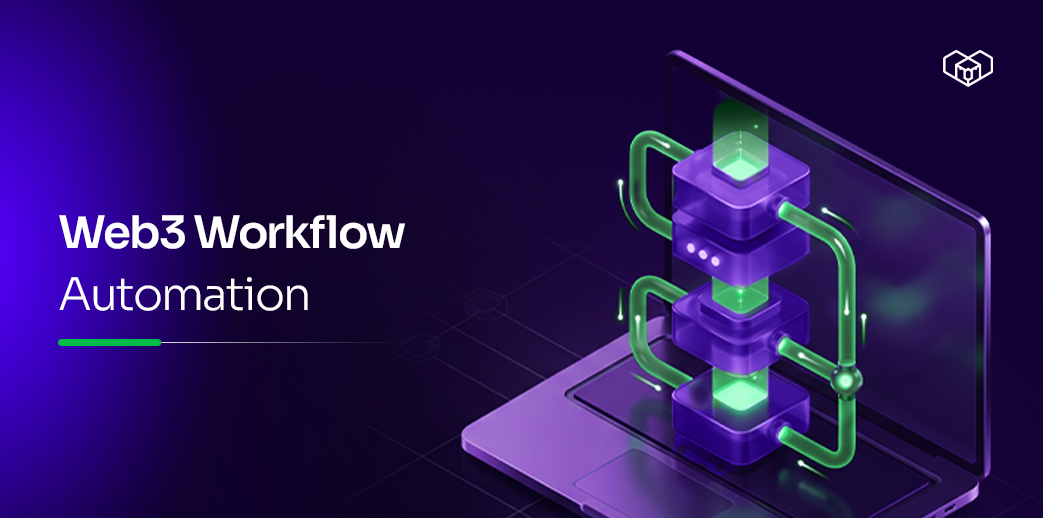
To build multi-chain dApps is to deploy your application across multiple EVM-compatible blockchains — Ethereum, Polygon, Avalanche, Base, Optimism, BNB Chain, Celo, and others — to reach more users, reduce gas costs, and avoid single-chain dependency. The hard part isn’t writing the contracts. The hard part is keeping the off-chain logic consistent across every chain you support, without operating a different backend for each one. Kwala solves that by letting […]

Read More
web3 automation

Web3 alerts automation refers to systems that monitor blockchain events — token transfers, price movements, wallet balance changes, and smart contract state updates — and trigger real-time Web3 notifications or automated actions in response. Most tools in this category stop at the notification step. The platforms that close the loop, like Kwala, connect on-chain events to multi-step workflows that execute the next action automatically — […]

Read More
web3 Automation platform

Kwala is an event-driven workflow automation platform for Web3. It listens to on-chain events, runs conditional logic, and executes follow-up actions — across EVM chains, without a backend. Moralis (backend APIs), Thirdweb (contract deployment and SDKs), and Tatum (blockchain APIs) solve adjacent problems. If you’re comparing all four, you’re probably trying to figure out which layer of the stack you need. That’s the right question. And […]

Read More
EVM operation 2026

What happens when a governance vote needs to close at exactly midnight UTC, but nobody is awake to call the function?  This question highlights a fundamental limitation that blockchain developers have wrestled with since the launch of smart contracts. Blockchains are reactive by nature they process transactions when someone submits them, not when a clock strikes a […]

Read More
smart contract automation

A contract sits on Ethereum, doing nothing until someone pokes it. That has always been the fundamental limitation of blockchain development.   Your code might be brilliant, your logic flawless, but without an external transaction to wake it up, nothing happens.  For years, this meant building elaborate workarounds. Developers ran servers that polled contracts every few […]

Read More
EVM workflow Automation

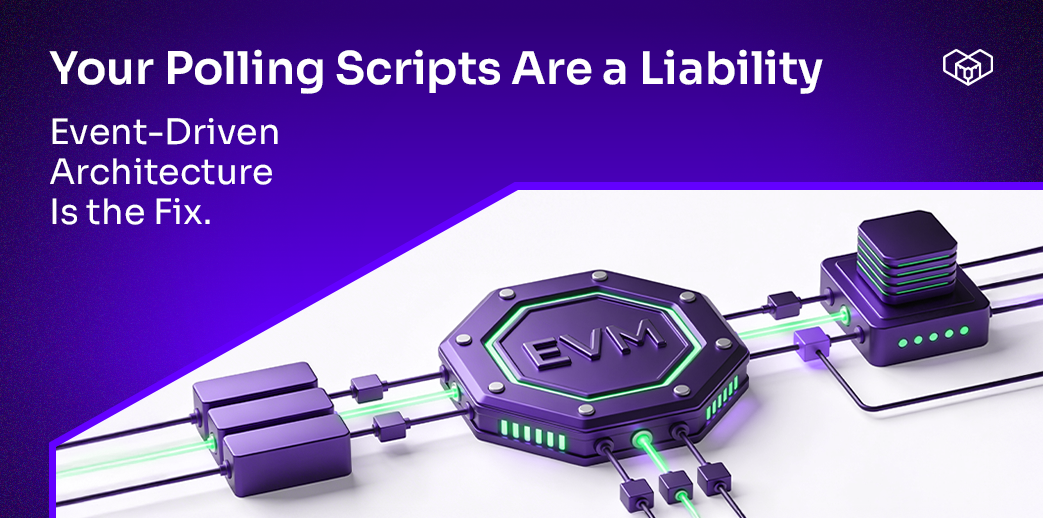
Eighteen months ago, the standard EVM backend stack was a collection of custom scripts, polling loops, and monitoring dashboards that required constant maintenance. In 2026, that approach is a competitive liability. Here is what replaced it — and why the gap between teams that automated early and teams that didn’t is widening every quarter.  According to Mordor Intelligence, the […]

Read More
web3 automation

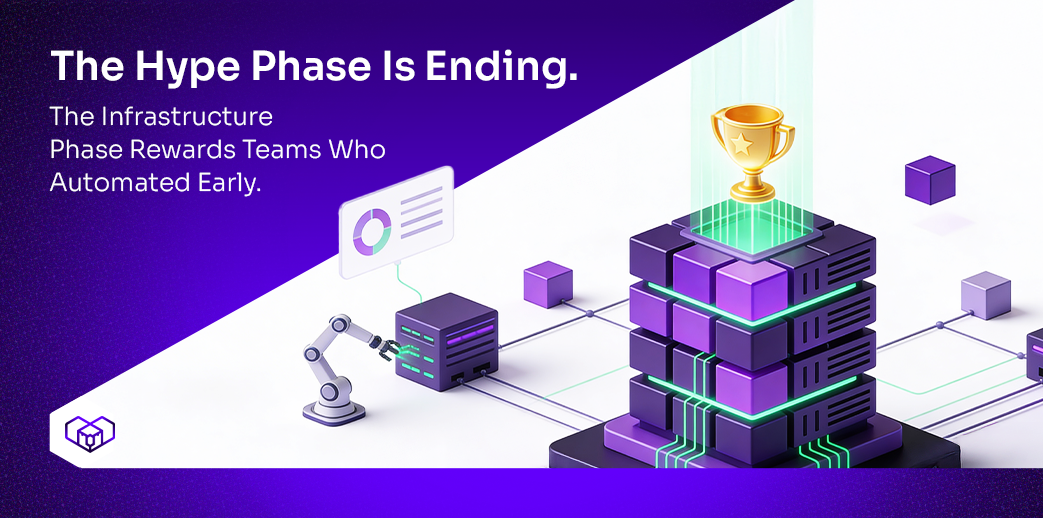
In 2026, the Web3 hype cycle is ending and the infrastructure phase is beginning. The protocols that survive the transition will be the ones that automated early.  What does that actually mean for builders? It means the hype phase is ending. The infrastructure phase is beginning. And the teams that win will be the ones […]

Read More
web3 automation

Your startup just closed a seed round. You hired two more developers. Suddenly, everyone is stepping on each other’s toes, and the Slack channel is full of “did anyone deploy that?” messages. This is the Web3 dev automation problem and it compounds quickly as your team grows.  According to Electric Capital’s 2024 Developer Report, the […]

Read More
web3 automation

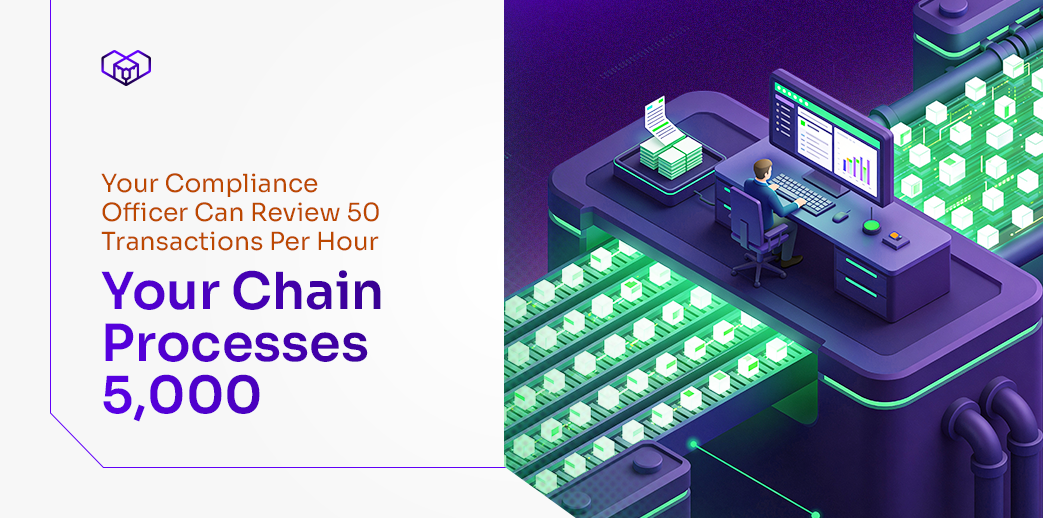
MiCA (Markets in Crypto-Assets) became fully applicable in December 2024. The Travel Rule has no grace period. DORA requirements started in January 2025. DORA adds a second compliance dimension beyond transaction monitoring. Under DORA, financial entities including CASPs must demonstrate operational resilience, maintain ICT risk registers, and report major incidents within defined timeframes. Kwala’s event-driven architecture supports DORA operational monitoring by detecting anomalous contract behavior, logging system […]

Read More
kwala workflow

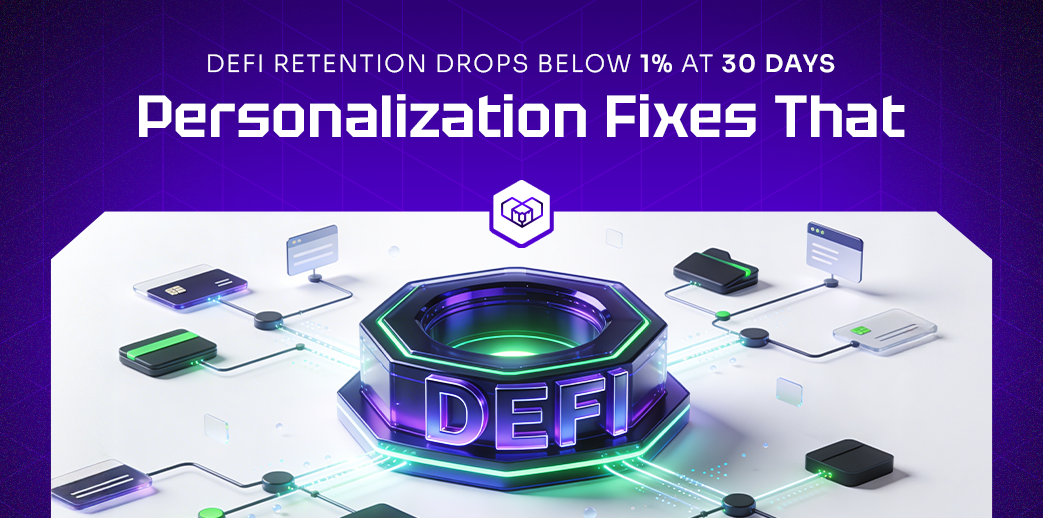
Your banking app knows when your balance drops low. It sends a nudge before you overdraft. It learns your spending patterns and adjusts alerts accordingly.  Now open any DeFi protocol. Everyone sees the same dashboard, the same alerts. A whale moving millions gets the same experience as someone staking fifty dollars.  This is the personalized DeFi gap […]

Read More

Join Us In The Web 3.0 Revolution

Running high-frequency automations or batch deployments? We offer  bulk credits and usage-based pricing tiers for qualified users and teams.

To discuss scaling your workflows, optimizing cost, or running automation-intensive use cases like Gini or DAO orchestration.